
Gay Men’s Sexual Health Guide: Complete & Practical Advice for 2025

Sexual health is a vital part of overall well-being, yet it remains one of the most overlooked areas in men’s healthcare—especially among gay and bisexual men. With unique health considerations, specific risks, and diverse relationship dynamics, having accurate, practical, and inclusive sexual health information is essential. This guide provides clear, evidence-based advice on maintaining sexual health, preventing infections, enhancing pleasure, and building healthier connections.

1. Understanding Sexual Health for Gay Men
Sexual health isn’t just about avoiding sexually transmitted infections (STIs). It encompasses physical, emotional, and mental well-being in the context of sexual relationships.
For gay and bisexual men, this includes:
- Navigating higher exposure risks for certain STIs, including HIV, syphilis, and gonorrhea.
- Understanding the role of receptive and insertive sex in transmission risks.
- Addressing mental health concerns linked to stigma, discrimination, or relationship stress.
2. Common STIs and How to Prevent Them
Knowing the most common infections and how to prevent them is the first step toward staying healthy:
HIV – Still one of the most important considerations. Prevention includes condom use, PrEP (pre-exposure prophylaxis), and regular testing.
Syphilis – Increasing in prevalence; early detection through blood tests is key.
Gonorrhea and Chlamydia – Often asymptomatic; regular throat, rectal, and urine screenings are recommended.
HPV (Human Papillomavirus) – Can cause genital warts and increase cancer risk; vaccination is highly recommended.
Hepatitis A, B, and C – All preventable through vaccination (A and B) or early detection (C).
Prevention strategies:
- Use condoms consistently.
- Consider PrEP if at risk for HIV.
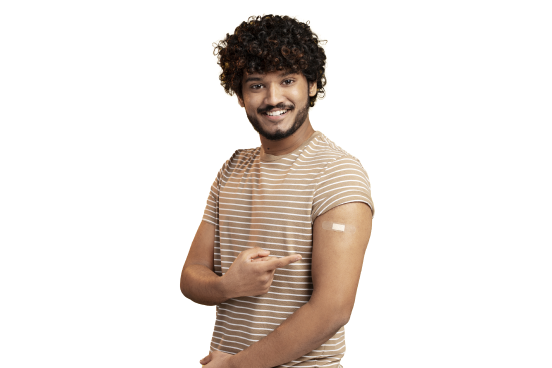
- Get vaccinated for HPV and hepatitis.
- Engage in regular STI screening every 3–6 months, or more often if you have multiple partners.

3. HIV Prevention: Beyond Condoms
While condoms remain one of the most effective tools, newer biomedical prevention methods have changed the landscape:
- PrEP – Daily or on-demand medication reducing HIV risk by up to 99%.
- PEP (Post-Exposure Prophylaxis) – Emergency medication taken within 72 hours after a possible exposure.
- U=U (Undetectable = Untransmittable) – When an HIV-positive person maintains an undetectable viral load, they cannot transmit the virus sexually.

4.The Role of Testing and Regular Check-Ups
Routine sexual health check-ups are essential for early detection and treatment:
- Schedule full STI panels that include urine, blood, throat, and rectal tests.
- Don’t wait for symptoms—many infections are asymptomatic.
- Discuss your sexual practices openly with your healthcare provider to get tailored testing advice.
5. Pleasure and Safer Sex
Safer sex does not mean less pleasure. Options include:
- Using lubricants to reduce condom breakage and increase comfort.
- Trying different condom types for better fit and sensation.
- Incorporating mutual masturbation, oral sex with barriers, and sex toys.


6. Communication with Partners
Open conversations about STI testing history, boundaries, and safer sex preferences can reduce misunderstandings and risks. Key tips:
- Normalize discussing STI status before sex.
- Avoid making assumptions about someone’s health based on appearance.
- Use dating apps’ health profile features to share testing dates and vaccination status.
7. Mental Health and Sexual Well-being

8. Sexual Health and Aging
As gay men age, sexual health needs shift:
- Testosterone levels may decline, affecting libido.
- Chronic conditions like diabetes or cardiovascular disease can impact sexual function.
- Continue regular STI screening—risk doesn’t disappear with age.
9. Alcohol, Drugs, and Sexual Risk
Some substances, including alcohol, chemsex drugs (e.g., methamphetamine, GHB), and poppers, can impair judgment and increase risk-taking.
Harm reduction strategies:
- Set limits before you start.
- Use with trusted friends who can help in emergencies.
- Avoid mixing substances that can dangerously lower blood pressure.


10. Vaccinations and Preventive Care Checklist
Every sexually active gay man should consider:
- HPV vaccination.
- Hepatitis A & B vaccination.
- Meningococcal vaccination in outbreak areas.
- Annual flu shot and COVID-19 boosters as recommended.
11. Building Trust with Healthcare Providers
Finding an LGBTQ+ affirming healthcare provider ensures:
- Non-judgmental care.
- Tailored prevention strategies.
- Comfort in discussing sensitive topics.

Final Thoughts
Frequently Asked Questions (FAQ)
How often should gay men get tested for STIs?
Every 3–6 months, depending on sexual activity and number of partners.
Is PrEP safe for long-term use?
Yes. PrEP is considered safe for most people, but regular kidney and liver function tests are recommended.
Can HIV be transmitted through oral sex?
The risk is very low, but not zero. Using condoms or dental dams can further reduce risk.
Do I still need condoms if my partner is undetectable?
U=U means no HIV transmission, but condoms still prevent other STIs.
Are vaccines necessary if I’m monogamous?
Yes. Some infections like HPV can be contracted years after initial exposure.